Common CPU Terminology
Overview
Time: 10 min
Understand common CPU terminologies.
Learn about CPU, cores, and CPU die.
This section introduces some common terminologies with respect to CPU.
CPU (Central Processing Unit)
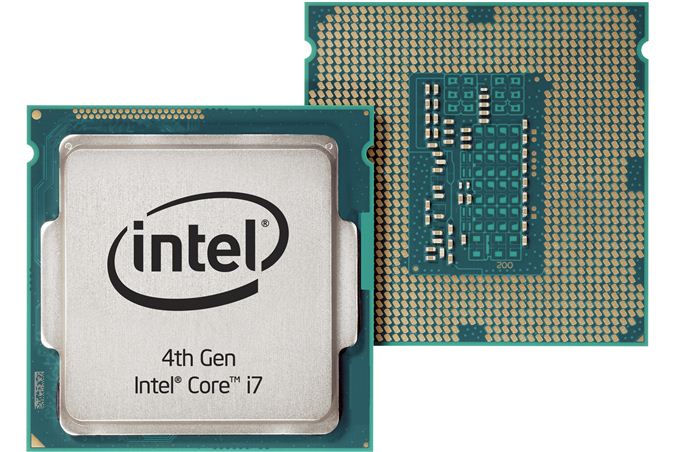
The main processor of a computer.
Responsible for executing instructions (code).
Can contain multiple cores inside a single chip or package.
Often referred to as a processor.
Example: A computer might have 1 CPU with 8 cores.
Core
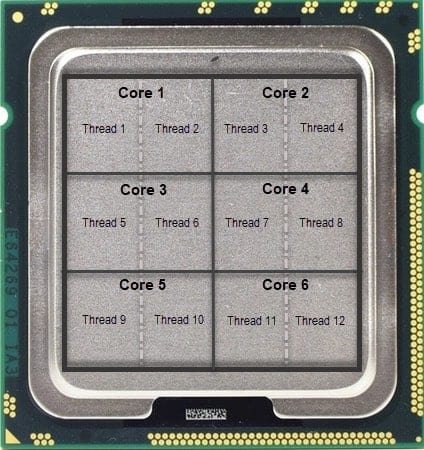
A processing unit inside a CPU.
Each core can independently execute tasks.
Modern CPUs typically have multiple cores to allow parallel processing (multitasking or multi-threaded applications).
Example: An Intel Core i7 CPU might have 6 cores, allowing it to run 6 tasks simultaneously.
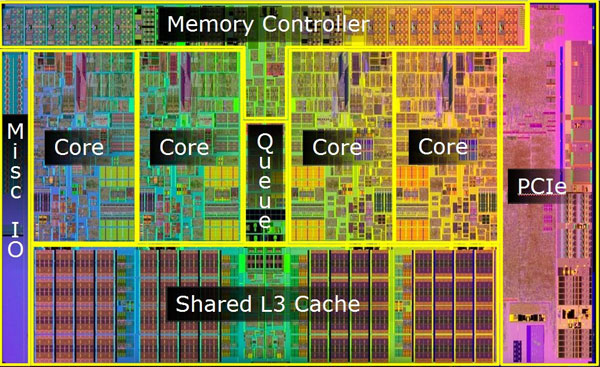
CPU Die
The physical piece of silicon that contains the circuitry of one or more cores.
Dies are manufactured on silicon wafers and later packaged into CPUs.
A single die can hold multiple cores, caches, and other components.
Some CPUs (like AMD’s multi-chip modules) may contain multiple dies inside one package.
Analogy
Think of it like this:
CPU = An office building
Cores = Workers inside the building
CPU Die = The physical floor plan that holds the workers (and offices)
NUMA (Non-Uniform Memory Access)
NUMA is a memory architecture used in multi-CPU (multi-socket) systems to improve performance.
Each CPU has its own local memory.
Access to local memory is faster than access to memory attached to another CPU (remote memory).
CPU (Socket)

In NUMA systems, multiple CPU sockets exist on the motherboard.
Each CPU/socket typically corresponds to one NUMA node with its own local memory.
